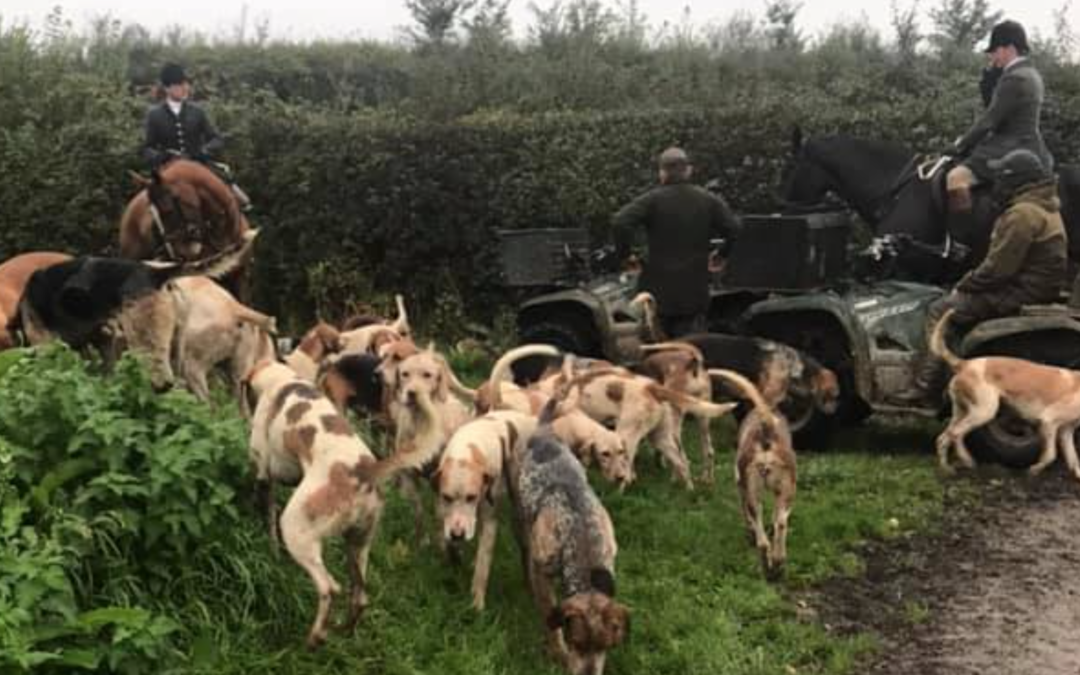
While Mark Pearson from the South Dorset Hunt is convicted, Charles Carter from the Royal Artillery Hunt gets away with it. The situation and the evidence are practically identical.
how CAN this happen? The following article by HOLLY PIPER EXPLAINS WHY.
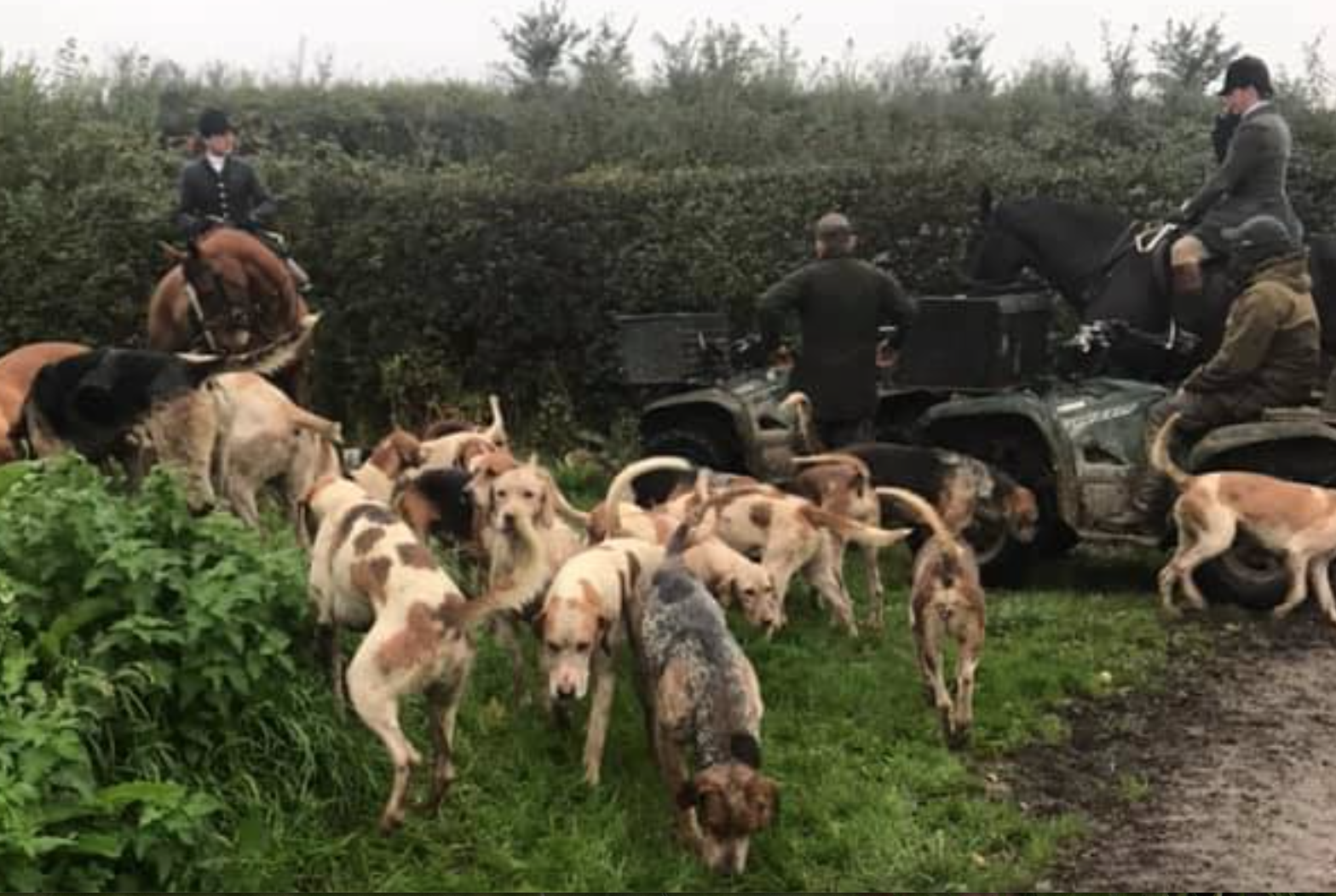
Research suggests the foxhunting ban regularly fails to prosecute as evidence is almost impossible to gather. The ban, enforced in 2005, disallows the hunting of mammals with dogs, and as a “summary only offence”, is subject to a fine if found guilty. However, loopholes in the law mean the ban isn’t always adhered to.
The Countryside Alliance published data, which showed 912 persons were proceeded against for illegal hunting in the UK between 2005- 2020, leading to 531 prosecutions. Figures gathered from non profit, Action Against Foxhunting (AAF), estimate over 12,000 acts of illegal foxhunting took place over that same time period. AAF’s calculations are based on information from Warwickshire and Leicester police forces, which have dedicated officers who record reports of illegal hunting.
David Tibbles, from Wildlife Crime Action, has monitored the hunts for over fifteen years. He said: “The hunting act itself requires proof of intent…It’s no good just to film somebody doing it.” He said that the huntsman, the hounds and the fox must all be in the same unedited raw footage to prove intent and that is the “failing of the Act.” He said: “The hunts are aware of where the law stands and are aware of how many cases have failed because we can’t prove intent. They take measures to avoid being shown in a situation where we are able to prove it. If the hounds are chasing a fox then the huntsman will hold back, they won’t go near the hounds.” David Tibbles said that he had watched the law being broken up to five or six times a week in certain seasons. “I do not know any other crime which requires you to film it before the police will do anything,” he said, “it’s bizarre.”
Pip Donovan from AAF said: “Even when evidence is clear, the hunt provide excellent QCs and lawyers, making the job of the prosecution much more difficult.”
Local landowner, Carly Markendale of Boundary Farm- Buckhorn Weston, said that she regularly witnesses hunts “dangerously” breaking the law on her acreage. She said foxes often frequent certain areas of her farm, particularly near live train tracks, and that it is no coincidence that she sees the hunt there. When confronting the hunt, she said that the hunts claim to “have completely lost control of the hounds and have no idea where they are,” even though she has seen them “actively pursuing a fox.”
However, groups such as South Downs Bloodhounds (SDBH) abide by the law by following a human laid trail, proving that legal hunting is possible. Jeremy Whaley, senior Joint Master from SDBH said: “I find it sad if people are not hunting within the law. It’s a bad law, but we can’t pick and choose which laws we want to abide by.” He said: “If there are changes proposed, I would want to ensure unequivocal legal hunting wasn’t hit by a blunderbuss approach to legislation.”
Carly Markendale suggested that the hunts should publish their route to prove they are following a laid trail like the Bloodhounds do. She said: “If they deviate from that trail significantly then they should be fined and have to pay compensation.” She said that this would make it much easier for police to immediately see when the law is being broken.
David Tibbles agreed that the law should be amended. He said: “You’ve got to have a provision in the act: a recklessness clause. Unless you’ve taken measures to avoid ‘accidents’ (such as killing a fox) then that should be an offence.”
Pip Donovan from AAF said: “In AAF, we will not be satisfied until the Hunting Act is strengthened, enforced consistently by the police and prosecuted robustly by the CPS. At this time, the Act is weak, policing is inconsistent and the CPS unreliable.”
The Hunting Act – is it working? Or not?

We desperately need to strengthen the rules to keep the public and wildlife safe.
There have been a lot of prosecutions lately, leading people to believe that the Act is working. But all of it relies on sabs and monitors being there at the crucial moment, and in a position to collect evidence. No sabs or monitors, no evidence. But the crimes still happen.
The Hunting Act is weak and allows police forces to interpret it as they see fit. Forces nationwide should have specially trained and vetted officers dedicated to wildlife crime. Rural crime teams are often focussed on very different offences.
Excellent report!
The hunting act has to be strengthened for us to truly succeed in ending fox hunting for once and for all. For the sake of wildlife, domestic animals, hounds, horses and motorists (not to mention the brave souls who literally put their lives at risk to monitor the hints activities) the perpetrators of this horrendous criminal activity need to be truly accountable for their actions
I completely agree. The low number of highly publicised prosecutions implies the majority of hunts are policed and trail hunting within the law and the prosecutions, JUST enough of them, infers that the law is being upheld. The great majority of hunts are left to freely kill with no recourse and no policing. Any policing, a rarity is due to the hard work of hunt sabs and monitors who are often policed rather than the criminals themselves
It seems that illegal hunting will continue wherever the police fail to enforce the huntng ban. If only they would impose the law on the hunt instead of the legal protesters.
Nice post. I learn something new and challenging on sites I stumbleupon everyday. Its always interesting to read content from other writers and practice a little something from their sites.